Gnome Mom, Sunflower Mom: A Designer’s Review for Real Embroidery Projects
As a designer who spends half my day digitizing and the other half judging whether a design will actually hold up on a customer’s sweatshirt, I approach every new asset with a mix of skepticism and hope. When Gnome Mom, Sunflower Mom landed in my review queue, I didn’t just look at the vector preview; I looked at the potential pitfalls. This is not just another cute graphic to slap on a mug. It is a specific aesthetic choice that requires careful execution if you want your handmade product to look professional rather than amateurish.
First Impressions: Mood and Visual Personality
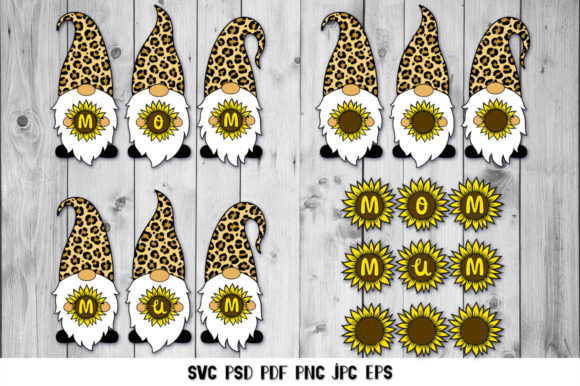
The moment you see the composition, the mood is immediately established: cozy, playful, and distinctly feminine. The pairing of leopard print gnomes with bright sunflowers creates a juxtaposition that works surprisingly well. The leopard print adds a touch of boldness and edge, while the sunflowers ground the design in warmth and natural beauty. For an Etsy seller or a small shop owner, this combination offers a unique selling proposition. It avoids the generic "floral" trap by introducing a pattern element that catches the eye without being overwhelming.
Visually, the layout feels balanced. The gnome figures provide a solid anchor, while the sunflowers offer organic movement. From a design assets perspective, the visual personality suggests this is perfect for gifts that need to say "I love you" but with a bit of flair. It screams "personalized gift" before you even stitch it. However, the complexity of the leopard print within the gnome silhouette is where many designers stumble. If the digitization is too dense, those spots can merge into a muddy blob. If it is too sparse, the texture is lost. This is why testing is non-negotiable.
Real-World Application: Where Does This Design Shine?
I recently imagined using Gnome Mom, Sunflower Mom for a custom embroidered tote bag design intended for a Mother’s Day boutique collection. The thought process was simple: Who buys this? The mom who loves her garden but also likes a little style. The tote bag is the ideal canvas here. Unlike a t-shirt, which stretches and distorts designs, a sturdy cotton tote provides a stable surface. The sunflowers would pop against a neutral beige or denim blue background, and the leopard print would add a tactile interest that customers love to touch.
Beyond totes, this design has strong potential for sweatshirt embroidery. Imagine a heather gray crewneck with the gnome centered over the heart area. The contrast between the soft fleece and the crisp satin stitches of the sunflower centers would create a high-end feel. It transforms a basic garment into a statement piece. Similarly, for apron embroidery, placing this on the chest pocket of a kitchen towel or apron adds a charming focal point for the home cook.
For baby embroidery, however, caution is advised. While the theme is sweet, the leopard print might be slightly too aggressive for some nursery aesthetics unless paired with very soft, pastel thread colors. But for a toddler’s outfit or a child’s first backpack, it could be a hit. The key is matching the thread colors to the fabric carefully to ensure the "mom" aspect feels nurturing, not wild.
Pitfalls and Areas of Caution
Not every surface is created equal, and Gnome Mom, Sunflower Mom has specific vulnerabilities. First, consider small hoop sizes. If you attempt to stitch this on a tiny patch or a cap front, the details in the gnome’s face and the individual petals of the sunflowers may become indistinguishable. Satin stitches designed for larger areas often break down when scaled down, leading to puckering and loss of definition. Always check the minimum recommended hoop size before committing to small merchandise.
Textured fabrics are another enemy of clarity. Knits, towels, and chenille blankets can hide the fine lines of the leopard print. On a fabric texture like waffle weave, the design might get lost entirely. Stick to smooth weaves like cotton twill, polyester blends, or felt for the cleanest results. Additionally, dark fabrics require careful underlay and possibly a white base layer to make the colors true. Without proper stabilizer support, the tension issues on dark materials can cause the design to pucker significantly.
Curved surfaces, such as baseball caps or beanies, present their own challenges. The curvature can distort straight lines and round shapes unevenly. If you are producing embroidered patches for iron-on application, ensure the backing is rigid enough to maintain shape after stitching. Flexible patches on curved hats often sag over time, ruining the professional look of the finished product.
Stitch Density and Detail Management
The success of this machine embroidery design hinges on how the digitizer handled the transition between the geometric leopard spots and the organic flower petals. High stitch density in the gnome body might cause stiffness, making the item uncomfortable to wear. Conversely, low density in the sunflower centers might result in visible fabric showing through. As a reviewer, I recommend inspecting the running stitch outlines closely. Are they tight enough to prevent thread breaks but loose enough to allow for slight fabric movement? This balance is what separates a durable craft business item from one that falls apart after two washes.
Practical Designer Notes for Execution
Before you upload this file to your machine or list it as a digital embroidery file for sale, follow these practical steps:
- Test on Scrap Fabric: Never assume the preview matches reality. Stitch out a sample on the exact fabric you plan to use. Check for color bleeding, especially if using vibrant sunflower yellows near light-colored threads.
- Check Thread Color Contrast: Ensure the leopard print threads stand out against the gnome’s base color. Low contrast leads to a flat, uninteresting look.
- Review Stabilizer Needs: Delicate fabrics like silk or thin jersey require cut-away stabilizer to prevent distortion. Heavier fabrics like denim can get away with tear-away, but test first.
- Inspect Small Details: Zoom in on the digital file. Are the eyes distinct? Are the petals separate? If the details are too fine, simplify the design digitally before stitching.
- Black and White Mockups: Convert your design to grayscale to check value contrast. If the design looks muddy in black and white, it will likely lack impact in color.
- Licensing Verification: Confirm whether you have commercial rights. Selling custom apparel with this design requires explicit permission. Do not risk legal issues by assuming personal use covers commercial sales.
Final Verdict on Visual Appeal and Market Fit
Gnome Mom, Sunflower Mom is a versatile and charming design that can elevate a range of handmade products. Its strength lies in its ability to blend whimsy with a touch of sophistication. For holiday embroidery projects, particularly around Mother’s Day or birthdays, it offers a fresh alternative to traditional floral-only designs. The inclusion of the gnome character adds narrative depth, making the item feel more like a storybook illustration than a mass-produced graphic.
However, its success depends entirely on execution. Poor digitization can ruin the leopard print, and inappropriate fabric choices can obscure the sunflowers. By treating this as a serious embroidery project rather than a quick fix, you can produce items that command higher prices and build trust with your buyers. The design supports brand consistency for shops focusing on nature-inspired or quirky family themes. It is a solid addition to any graphics library, provided you respect the technical requirements of machine embroidery. When done right, it results in a finished product that customers will cherish and display with pride.